
What are order blocks, and why do many traders use them to identify institutional trading activity? In this guide, we explain what are order blocks in trading, how they form on charts, and how traders use them to find potential support, resistance, and high-probability setups.
Table of Contents
1. What Are Order Blocks?
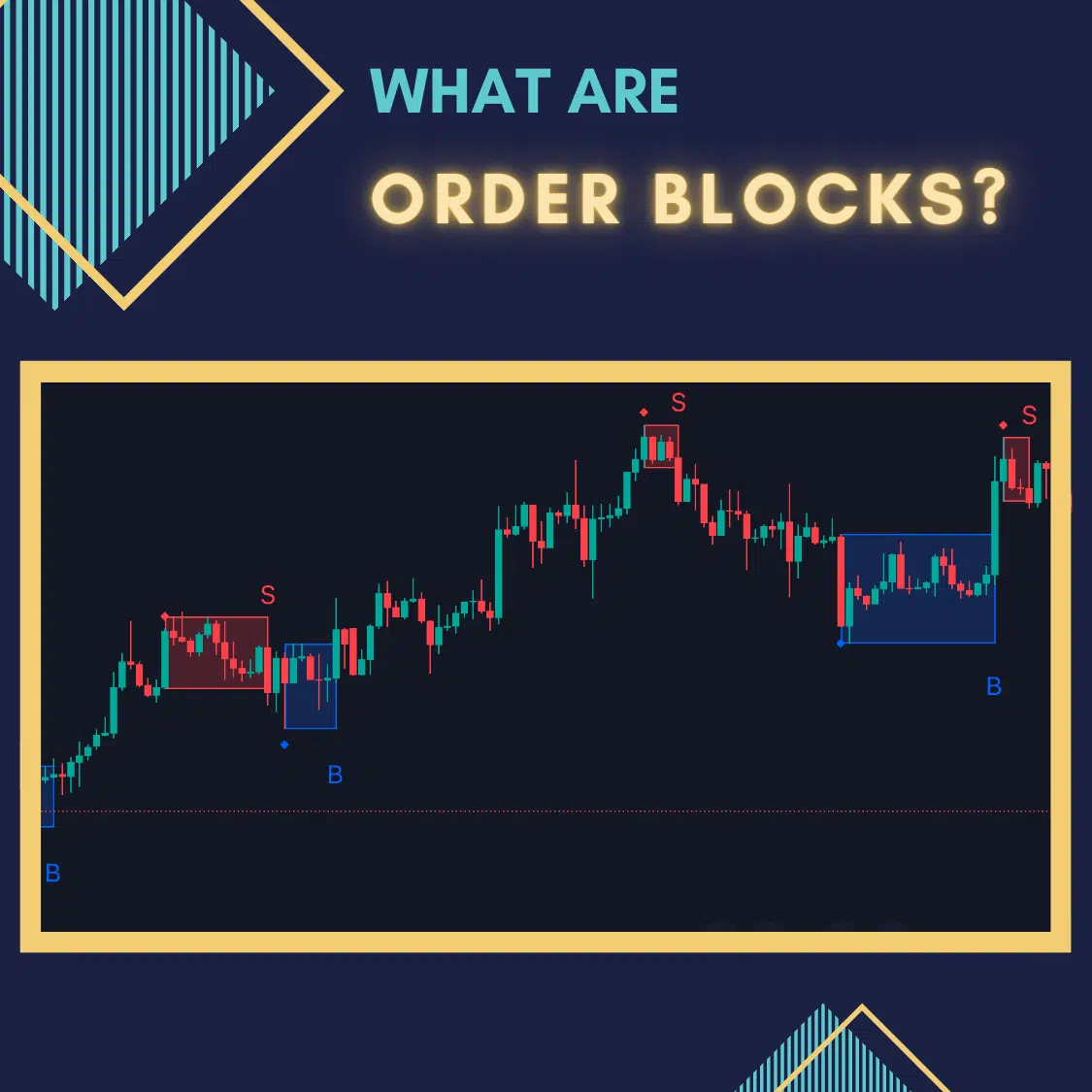
A trading order block is a large number of assets that are being traded consecutively. Typically, it refers to a single transaction or series of transactions that reflect a significant amount of assets being purchased or sold on the market.
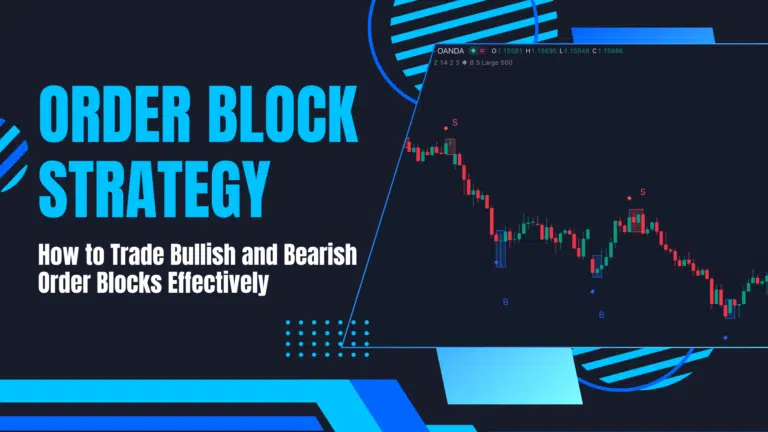
In simple terms, what are order blocks referring to? They are price areas where big financial institutions place substantial orders, creating noticeable market reactions.
Big financial institutions use order blocks to execute large trades more efficiently and with less market effect in order to warrant their profit.
For retail traders, order blocks can provide information about potential price moves, or indicate potential support or resistance levels. You can use these confirmations to determine good trade setups.
2. Bullish and Bearish Order Block
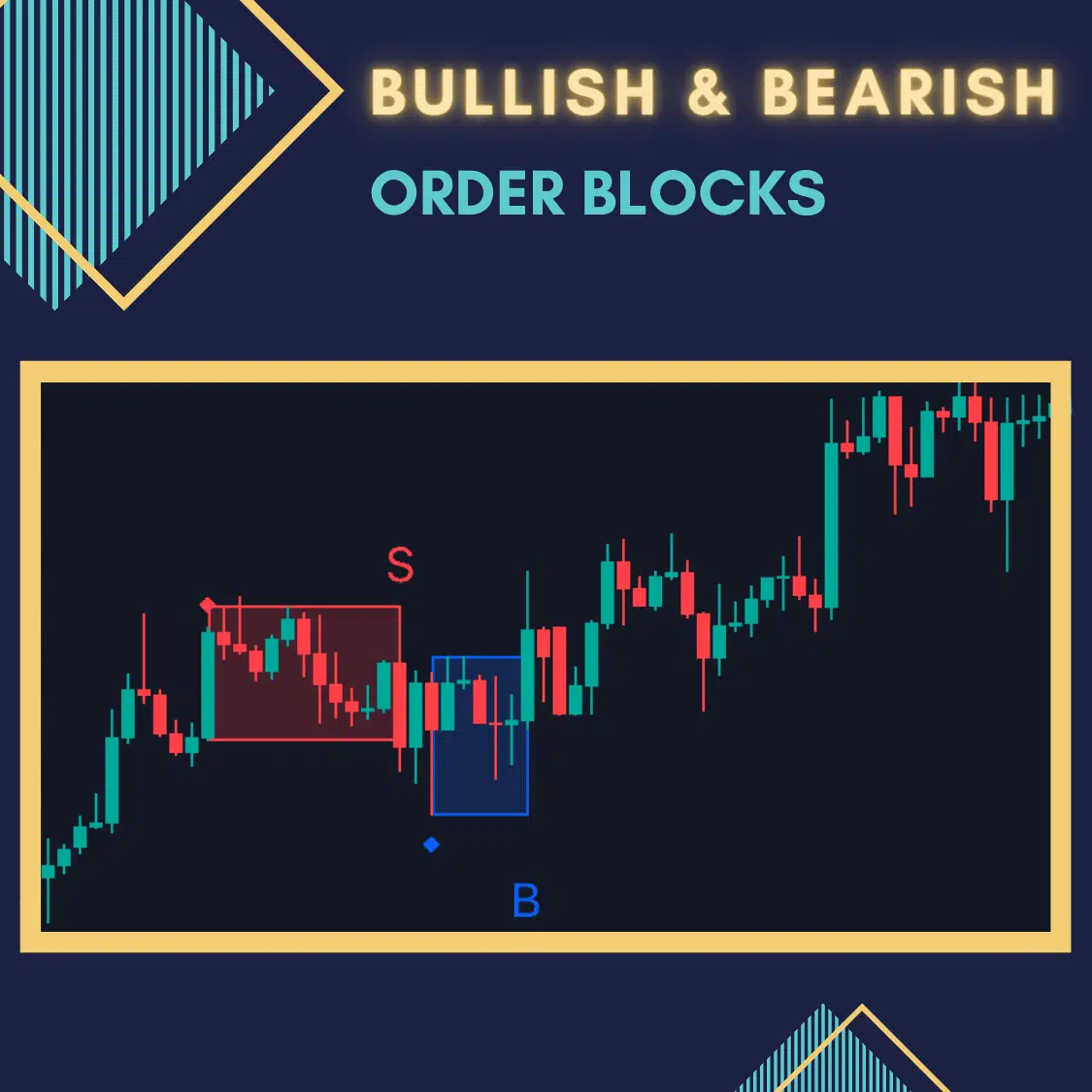
Most blocks identified when studying what are order blocks fall into two main categories:
- Bullish order block: A large number of pending buy orders at a certain price level. This could mean that there is a lot of buying pressure in the market, which could cause the price to go up.
- Bearish order block: A large number of pending sell orders at a certain price level. This may indicate strong market selling pressure and the potential for a fall in prices.
When traders analyze what are order blocks, they often observe that bullish blocks mark the beginning of upward trends, while bearish blocks frequently signal the start of downward trends.
3. Order Blocks And Supply And Demand Zones
Supply and demand zones and order blocks are related concepts that provide information on market behavior and possible price levels. The blocks can be considered a special kind of supply and demand zone; therefore, trading them is similar.
While both order blocks and supply/demand zones can provide information on market behavior and possible price levels, order blocks focus on pending orders at a certain price point, whereas supply/demand zones examine the overall balance between buying and selling pressure in the market as a whole.
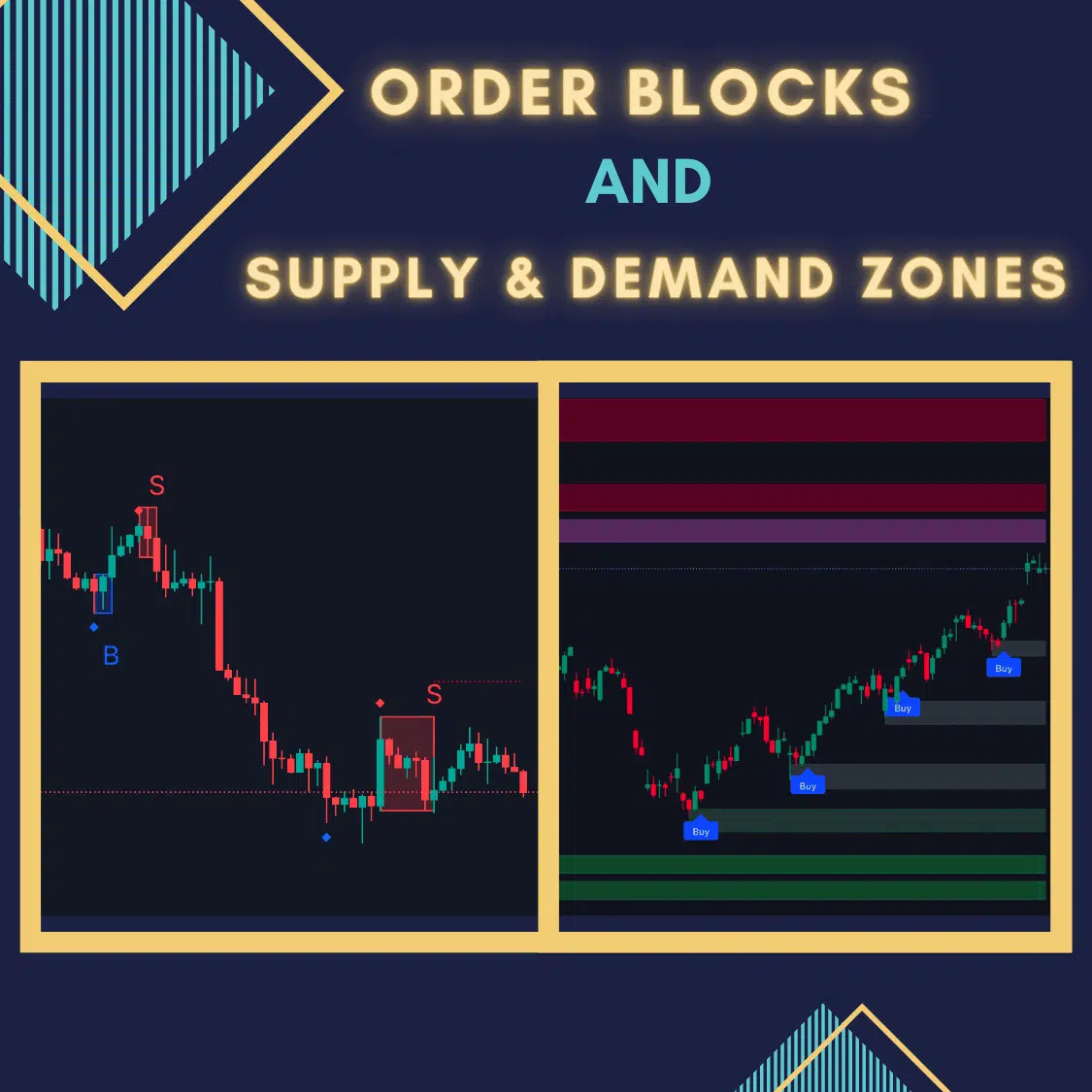
When the price moves to an area where a lot of traders have placed orders, this creates an imbalance between the pressure to buy and the pressure to sell. These blocks can tell you about these zones of supply and demand because a lot of pending orders at a certain price level can show where a lot of traders have put orders.
If you are looking for something that can work just like supply and demand zones, Order blocks can work just like these zones and let you find many trade setups. Moreover, you can use them in conjunction with supply and demand zones to find more winning trades.
4. How To Find Order Blocks On The Chart?
One challenge when learning what are order blocks is that they do not appear frequently on charts. Identifying them often requires experience and proper technical analysis tools.
Spotting a block requires the use of various technical analysis tools: such as price action, volume indicators, pivot points, and order flow indicators. These are the common tools and indicators that can help you better understand what are order blocks and identify areas where institutional orders may exist. However, analyzing these blocks manually can be difficult and time-consuming.
To simplify the process, Indicator Vault has the key technique that can help you with these blocks. We made an indicator called Order Block Gen that is all about trading order blocks. Here are some of its key features:
- Detect all high-probability order blocks.
- Very customizable, allowing the setting for refined or larger zones.
- You can also use it in confluence with other indicators, such as the 3MA and Logic Trendline, for a better outcome.
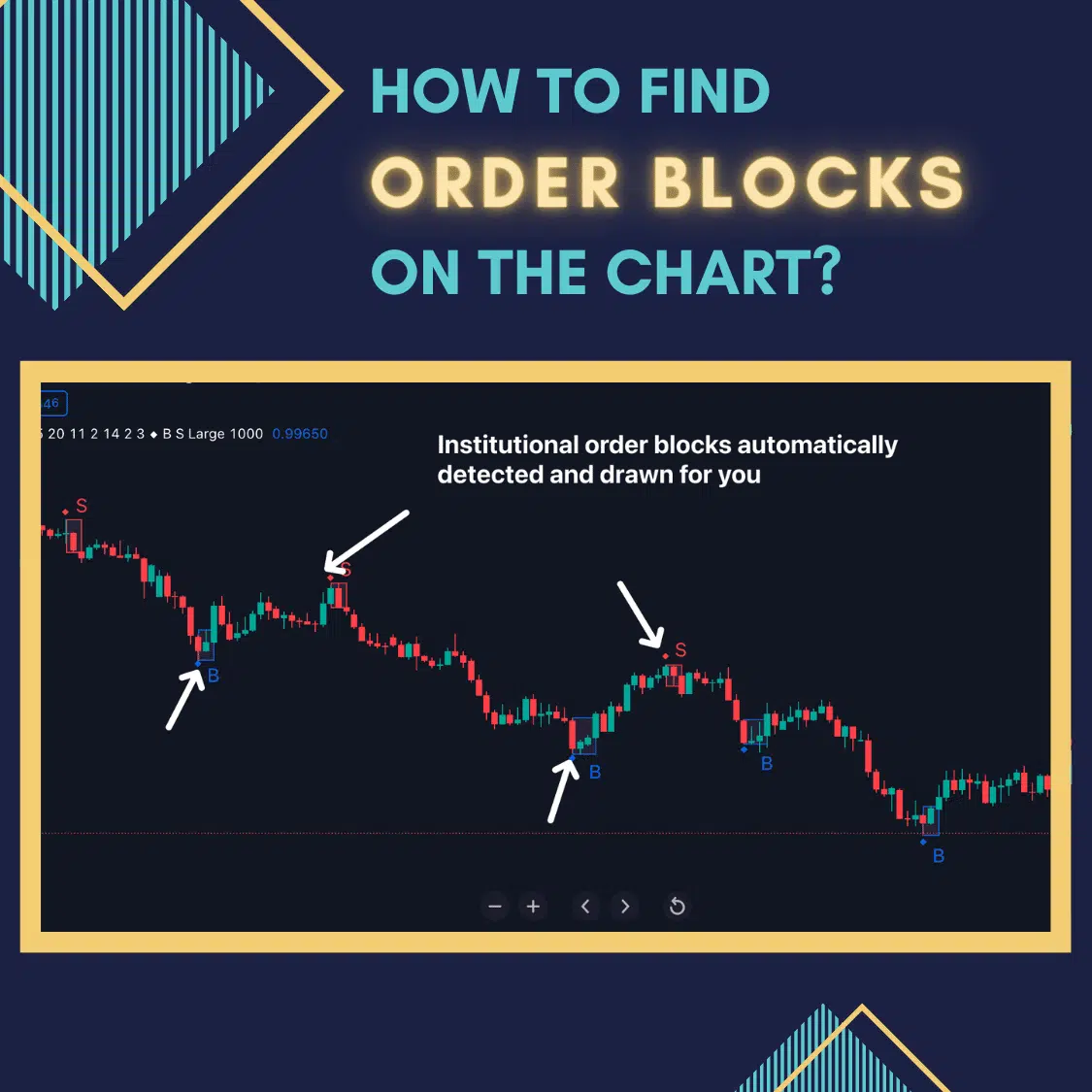
Get an easier way to trade order blocks; catch up with big institutions’ activities; or use these blocks as supply and demand zones to find good trade setups. It is up to you how to take advantage of this indicator.
5. Conclusion
Understanding what are order blocks can give traders valuable insight into institutional trading behavior and potential price turning points.
With the features mentioned above, using Order Block Gen can greatly benefit you.
Also, follow us for all the promotions and other useful topics:
- Facebook: www.facebook.com/indicatorvault
- Instagram: www.instagram.com/indicator.vault
- Youtube: www.youtube.com/c/IndicatorVault