
How to Find Real Institutional Order Blocks With Order Block Gen and 2X Your Results (Step-by-Step Video Guide)
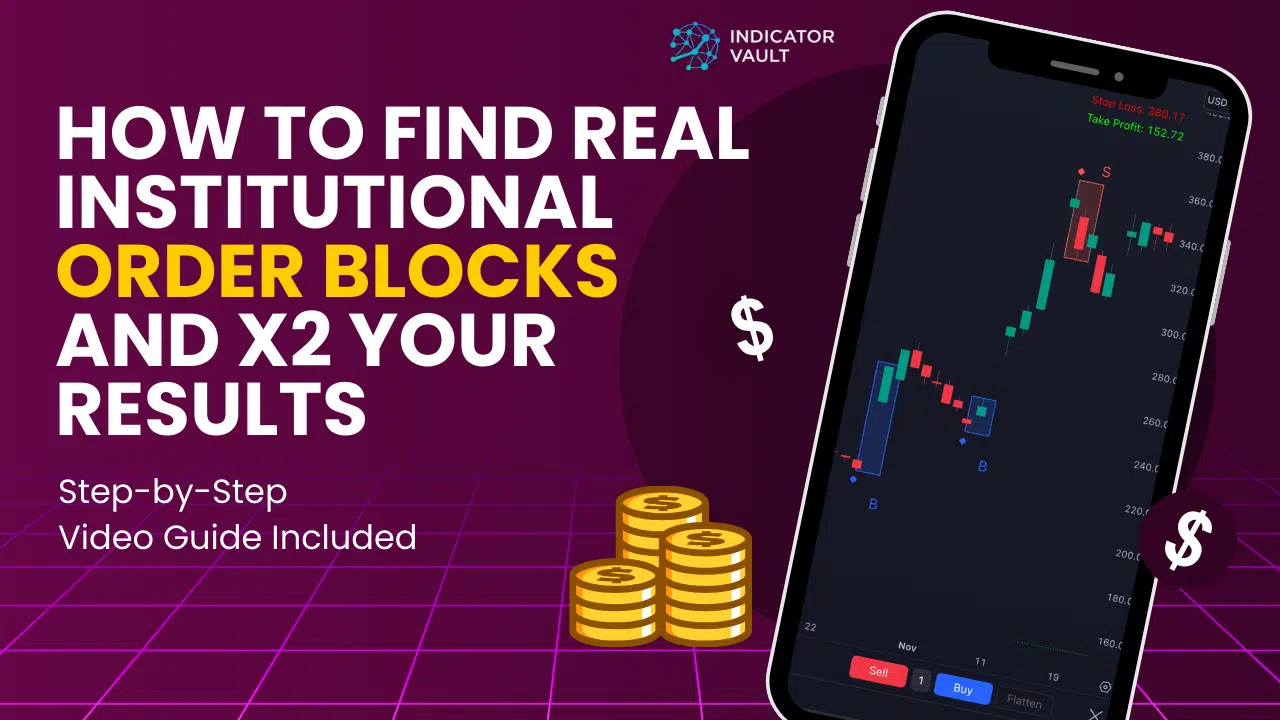
Are you tired of falling for fake reversals and entering trades at the worst possible time? The Order Block Gen indicator helps traders detect genuine institutional zones and avoid false signals in smart money trading strategies.
The biggest profits are made when you trade alongside the institutional players, not against them.
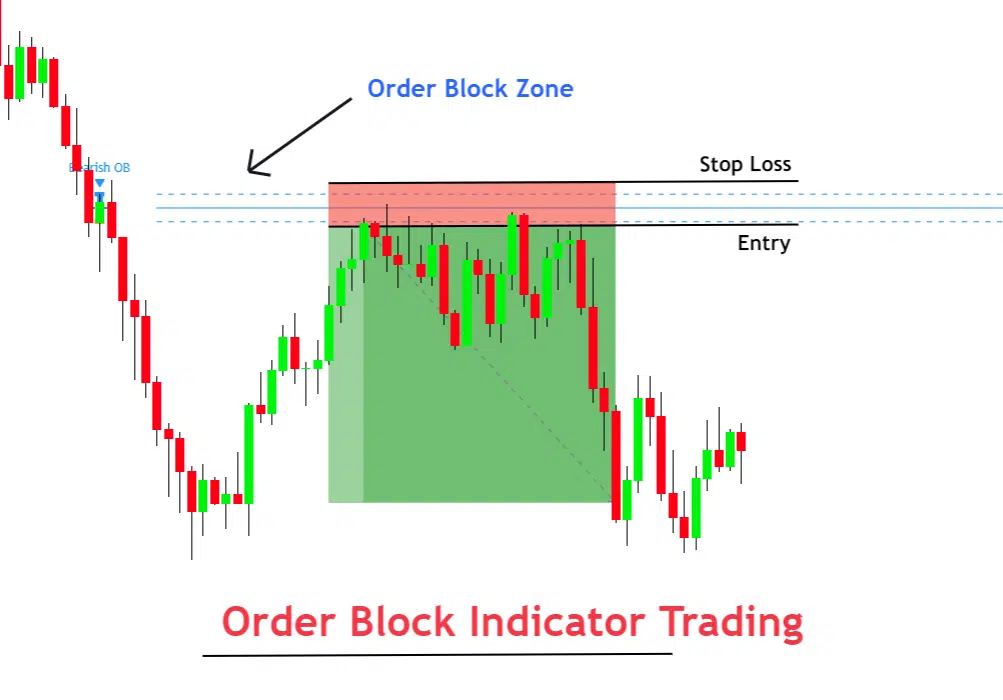
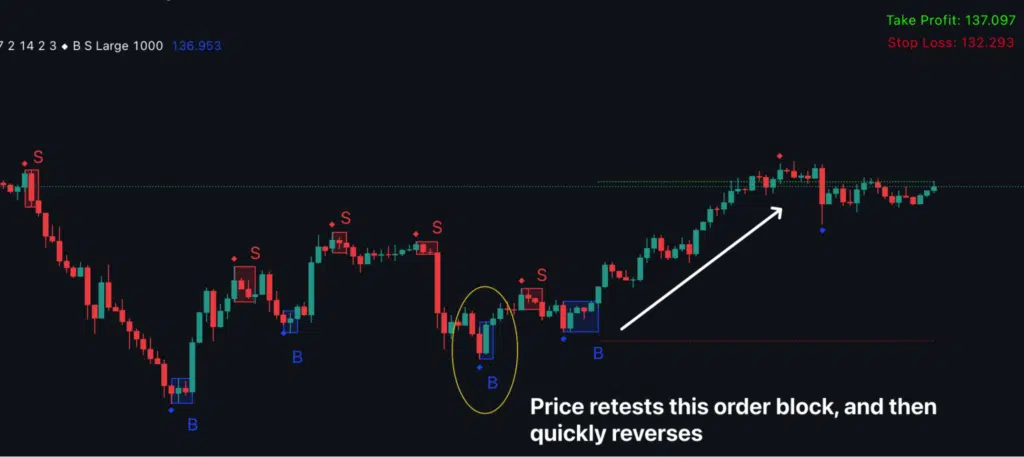
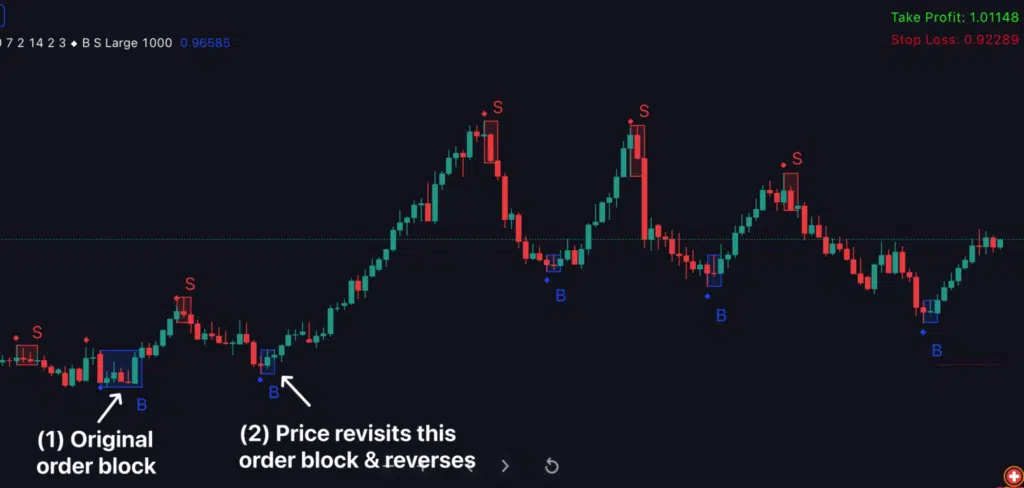
The concept of an Order Block is simple: it’s the specific candle where big money placed its massive orders, essentially marking a high-volume supply or demand zone.
If the concept is simple, why do so many traders fail with it?
The challenge lies in filtering false signals. In dynamic markets, countless candles could appear to be an order block, but they lack the necessary volume or structural confirmation. Trading these weak, unvalidated blocks is a fast track to getting caught in “the divergence trap” and having your stop-loss hit by the smart money.
The secret to winning is finding the genuine footprints of institutional activity, the high-probability zones where the market must react.
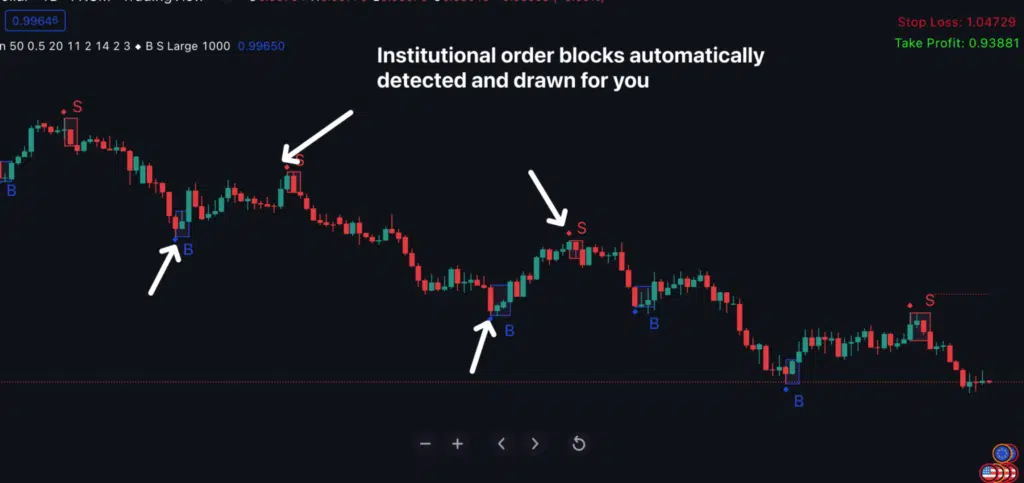
The Order Block Gen indicator was engineered to solve the problem of identification and confirmation. It goes beyond simple candle marking by employing a proprietary algorithm to detect and automatically highlight only the highest-quality, genuine bullish and bearish zones.
The core benefits include:
To maximize profits, the Order Block Gen facilitates a powerful, multi-timeframe strategy that combines high-level conviction with surgical precision.
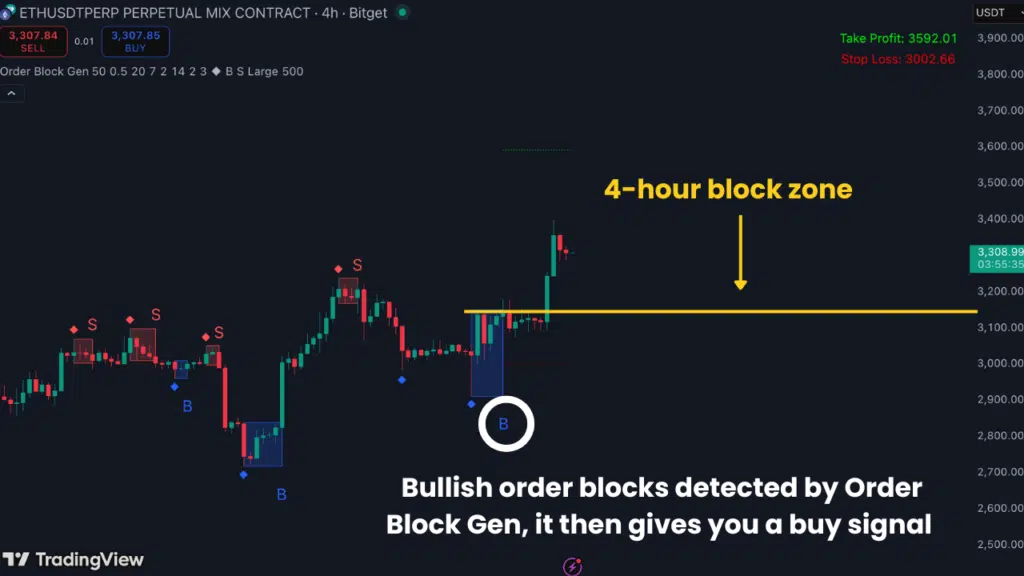
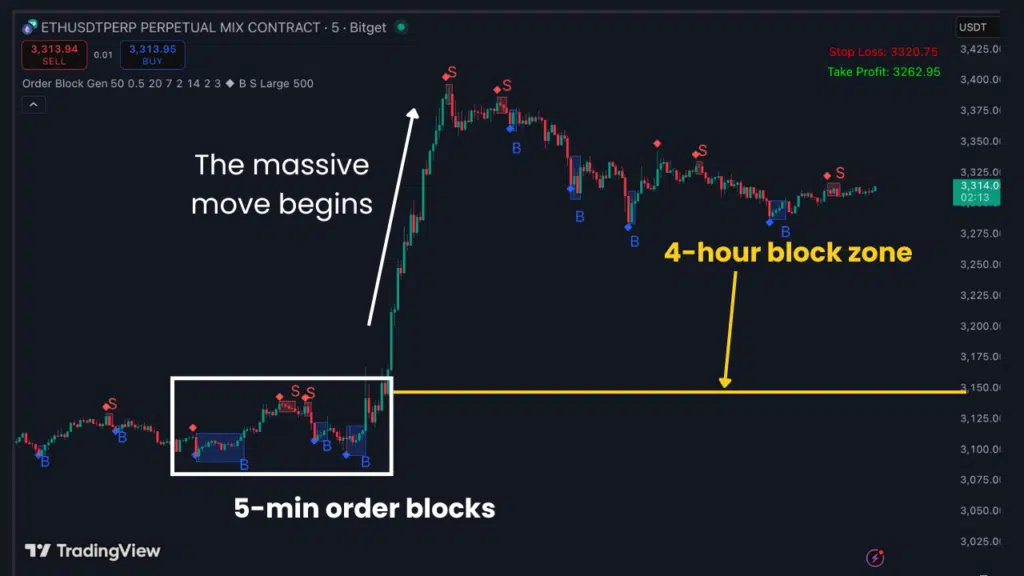
Start on a longer time frame (e.g., the 4-Hour chart). This gives you the “high-level view.” Look for a strong, recently validated order block. This 4-Hour zone is your anchor, the area where the market has shown a strong directional bias.
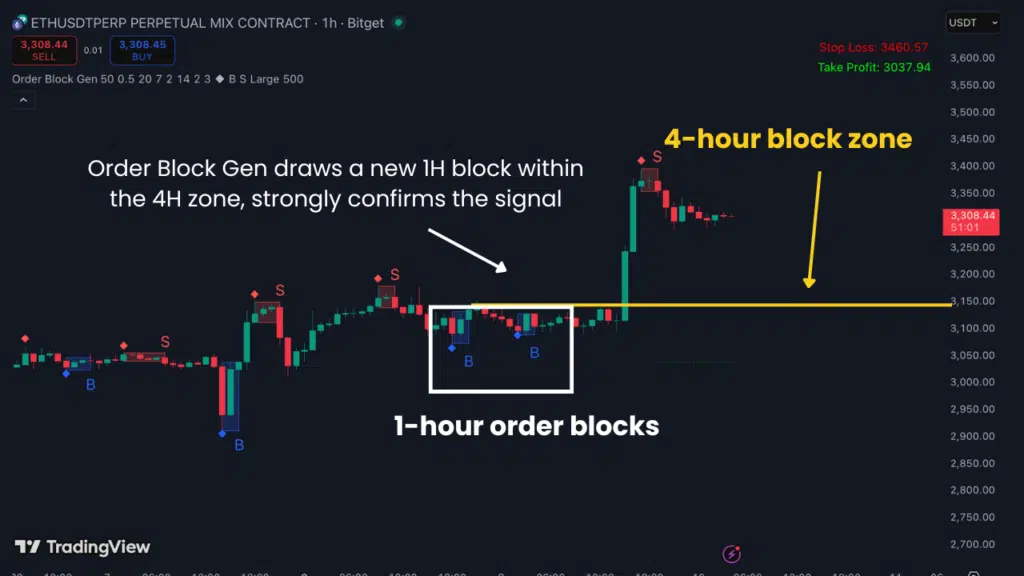
Zoom down to a middle time frame (e.g., the 1-Hour chart). As the price approaches your 4-Hour Anchor, watch for the Order Block Gen to draw a new block on the 1-Hour chart within the 4-Hour zone. This is a massive green light, confirming the higher time frame momentum is about to be respected.
This is where you make the money. Drop to the 5-Minute chart. Wait for the price to hit the 4-Hour Anchor, and then for a 5-Minute block to form. The optimal entry is often a quick, tiny retest of that 5-Minute block before the massive move begins.
This surgical method allows for an incredibly tight stop-loss (low risk) and a massive profit target (high reward), often achieving 5x Risk-to-Reward trades easily.
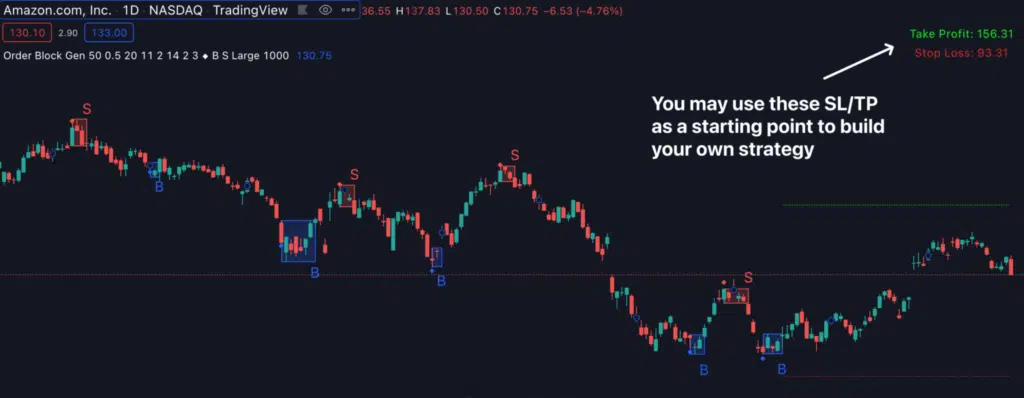
A common failure point for traders is taking profits too early. The market moves from one high-volume area to the next. Therefore, your take profit target should be set at the next confirmed institutional zone.
If you are buying using a bullish order block, you should often hold that trade until the price hits the next higher time frame bearish order block. By using the opposite side’s high-probability zone as your target, you are aligning your profit-taking with the market’s next natural reaction point.
Want to see this indicator in action? Watch the step-by-step video guide for the full details:
This video introduces the Order Block Gen indicator for TradingView, which helps traders find genuine “Order Blocks” or the footprints of institutional money. The video highlights the common challenge where retail traders’ stop-losses are often hit because they are trading in the wrong spots.
It explains that the indicator automatically highlights both bearish and bullish order blocks, eliminating guesswork and false signals. The main focus of the video is dedicated to a multi-timeframe strategy for using the tool.
Order block trading is arguably the most powerful way to trade, but it requires precision that the human eye often cannot sustain across multiple markets.
The Order Block Gen indicator is a game-changer that eliminates the guesswork. It gives you clear, high-probability entry points based on genuine institutional flow, setting you up to consistently capture trades with excellent risk-to-reward ratios every single day.
If you are serious about smart money concepts and capturing true market reversals, the Order Block Gen is the tool you need.

Table of Contents 1. Day Trading Frustrations? Missed Breakouts? It’s Not You, It’s the Signals. Admit it. You love the thrill of catching those explosive breakouts. The sudden surge in price, the potential for quick profits – it’s an adrenaline rush like no other. But let’s face it, missing those key moves? Watching a promising…
Bullish and bearish trend conditions are the foundation of most successful trading strategies. ‘Stick with the trend, avoid the stress’ – a popular mantra among retail traders, young and old. It’s the safest and most recommended approach by any standards. However, the big question on every newbie’s mind is how to foresee the end of…

Table of Contents Candlestick reversal patterns are one of the fastest ways for traders to develop an edge trading the market. If you haven’t heard of this pattern and its common types before, no pressure there! Indicator Vault has compiled the most fundamental information for you to visualize. 1. What is a candlestick reversal pattern?…

Most scalpers fail because they trade against trends and can’t spot real overbought/oversold conditions. If you’re a scalper tired of losing money on bad trades, this solution changes everything. Table of Contents 1. Stop Losing Money on False Breakouts and Bad Timing In Scalping If you’re like most scalpers, you’ve probably experienced this nightmare scenario…
Table of Contents 1. Introduction The SMC strategy (Smart Money Concepts) is revolutionizing the trading landscape. Both fundamental and technical analysts are now integrating these theories to enhance their existing setups. You can master this discipline through our concise guide, which covers the history, core terminologies, and practical SMC strategy applications through real-world trading scenarios….

Pullbacks happen all the time, and knowing how to apply useful pullback trading strategies can bring you big benefits. Table of Contents 1. Pullback Trading A pullback is a short-term, temporary pause or moderate drop in the direction of the current bullish or bearish trend. This phrase is commonly used to describe price changes in…