Scalping vs Day Trading: Which Short-Term Strategy Is Right for You?
In the world of fast-paced markets, two strategies dominate the conversation: scalping and day trading. While both involve closing positions before the market bells ring, they require very different mindsets, tools, and execution speeds.
Understanding the nuances of scalping vs day trading is essential for any trader looking to master the lower timeframes.
Table of Contents
1. What is Scalping?

Scalping is the fastest trading style available. Scalpers aim to profit from tiny price changes, often entering and exiting dozens or even hundreds of trades in a single session.
- Hold Time: Seconds to a few minutes.
- Goal: Accumulate many small wins that add up to a large daily profit.
- Mindset: Requires intense focus and lightning-fast decision-making.
2. What is Day Trading?

Day trading is a broader category where trades are opened and closed within the same day. Day traders typically focus on capturing a larger portion of a daily move rather than tiny ticks.
- Hold Time: Minutes to several hours.
- Goal: Capture one or two high-quality intraday trends.
- Mindset: Requires patience to let a trade develop and reach a target.
3. Scalping vs. Day Trading: The Key Differences
While both scalping and day trading are popular short-term strategies, they operate on very different frequencies. At first glance, they might seem similar because neither involves holding positions overnight, but the execution and mindset required for each are distinct.
The following table breaks down the core differences to help you decide which style fits your personality:
| Feature | Scalping Trading | Day Trading |
|---|---|---|
|
Timeframe
|
Seconds to minutes |
Several hours |
|
Trade Frequency |
High (dozens or hundreds per day) |
Low (a few select setups per day) |
|
Profit Targets
|
Small profit target per trade
|
Larger profit target per trade
|
|
Risk Management |
Extremely tight stop-losses |
Wider stops to allow for volatility |
|
Mental Demands |
Fast-paced; requires instant decisions
|
Patience; ability to hold through noise |
|
Market Analysis |
Pure price action and order flow |
Technical trends and intraday structures |
|
Strategy Focus
|
Exploiting tiny market gaps |
Riding intraday momentum or reversals |
|
Capital Impact |
High costs due to heavy volume |
Lower relative costs with fewer entries |
4. Which trading style fits you the most?
Whether you prefer the rapid-fire intensity of scalping or the calculated strategy of day trading depends entirely on your personality and how much time you want to spend in front of the screen.
Here is a deeper look into how these two popular styles compare.
4.1. The Scalper:

Scalping is for traders who thrive on high-speed action and have the discipline to handle high-pressure environments.
- The Mindset: You must be comfortable making split-second decisions and exiting a trade the moment the momentum stalls. There is no room for hoping a trade turns around; you take your small profit or cut your tiny loss immediately.
- The Time Commitment: While you might only trade for 2 to 3 hours a day (usually during peak market volatility), those hours require 100% focus. You cannot look away from the screen while a scalp is active.
- The Goal: You aren’t looking for home runs. Instead, you are looking for dozens of singles, tiny price gaps that add up to a significant daily profit through sheer volume.
4.2. The Day Trader:

Day trading offers a balance between fast-paced execution and analytical patience, focusing on the broader story of the day.
- The Mindset: You need the mental stamina to watch a trade develop over several hours. You must be able to sit on your hands and ignore market noise while waiting for your specific intraday setup to hit its target.
- The Time Commitment: Day traders often monitor the markets throughout a specific session (like the London or New York open). While you aren’t clicking buttons every minute, you are tracking the trend’s health from morning to afternoon.
- The Goal: You aim to capture the meat of the daily move. Rather than scraping 5 pips at a time, you are looking for one or two high-quality setups that offer a much larger reward-to-risk ratio.
To help you decide which approach aligns with your personality and lifestyle, use this side-by-side comparison to find your ideal trading fit:
| Choose scalping if... | Choose day trading if... |
|---|---|
|
You have fast reflexes and a competitive nature. |
You prefer analyzing the “big picture” of the day.
|
|
You want immediate feedback on every trade. |
You have the patience to wait hours for a payoff. |
|
You prefer trading in short, intense bursts. |
You are comfortable managing a trade over a full session. |
|
You want to avoid the stress of “holding” positions. |
You want to capture 50-100+ pip/point moves. |
4. Best Scalping Indicators for TradingView
Regardless of which side of the scalping vs day trading debate you fall on, having the right technical tools is non-negotiable.
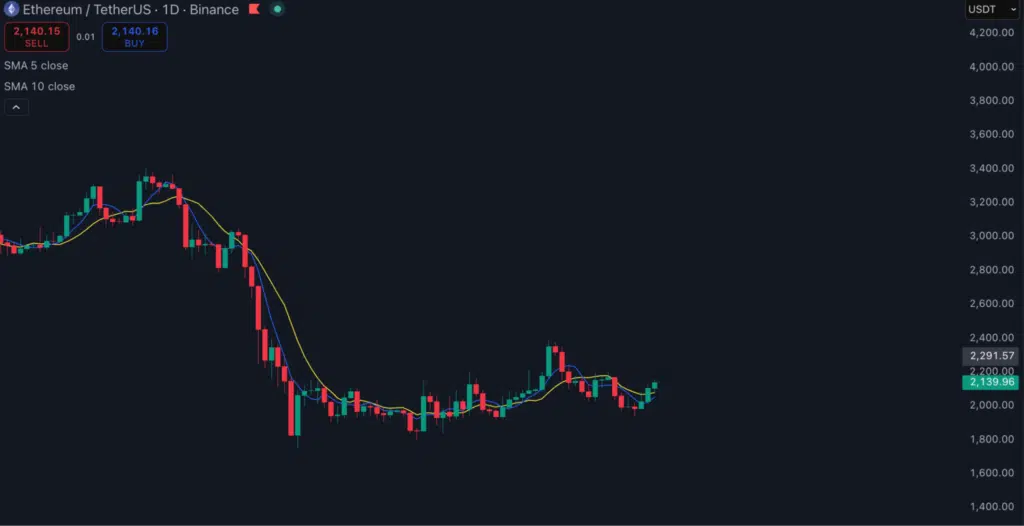
4.1 Moving Averages:
Essential for identifying the short-term trend. Scalpers often use the 5 and 10-period EMA, while day traders favor the 20 and 50-period.
4.2 RSI & Parabolic SAR:
Perfect for spotting overextended moves and sudden trend reversals.
The Relative Strength Index (RSI) is another popular technical indicator used by scalpers to measure the strength of price action.
It’s a useful indicator for forex scalping because it can help identify overbought and oversold conditions.

The Parabolic SAR is a technical indicator that was developed to identify trends in the market. It is commonly used by scalpers due to its ability to quickly signal a change in direction.
It’s particularly useful in forex scalping because it can quickly catch sudden trend reversals, allowing traders to enter and exit trades quickly.

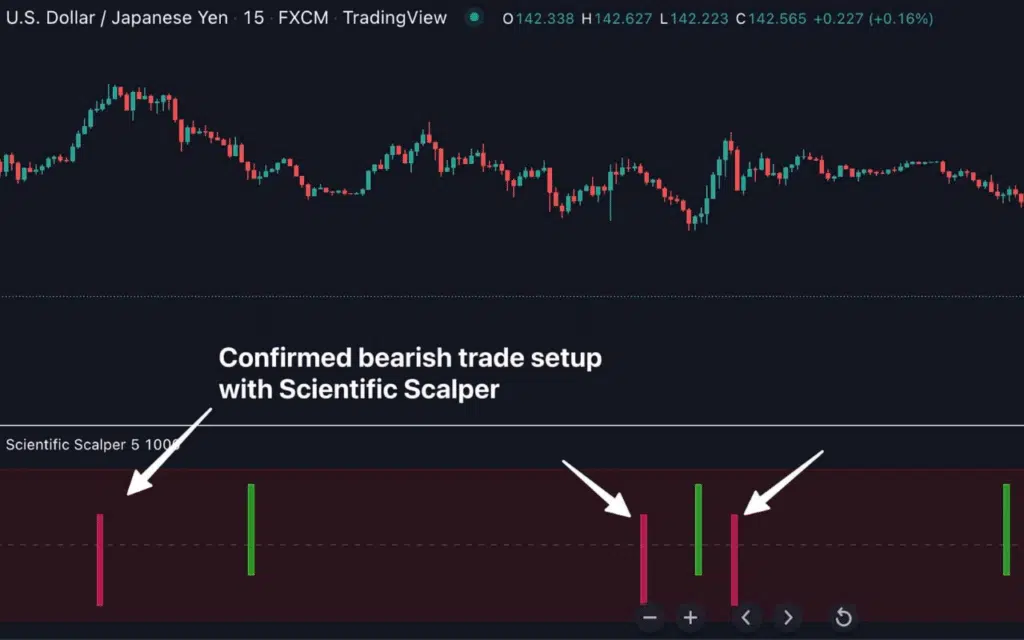
4.3 Scientific Scalper:
An advanced tool that automates the “double confirmation” process—ensuring you stay on the right side of the trend while identifying oversold/overbought extremes.
First confirmation: The indicator analyzes the underlying trend to make sure you always trade with the trend.
Second confirmation: The indicator’s algorithm detects when the market is overbought or oversold. So you can be sure the trade setup you get is high-probability.
4.4 Divergence Solution:
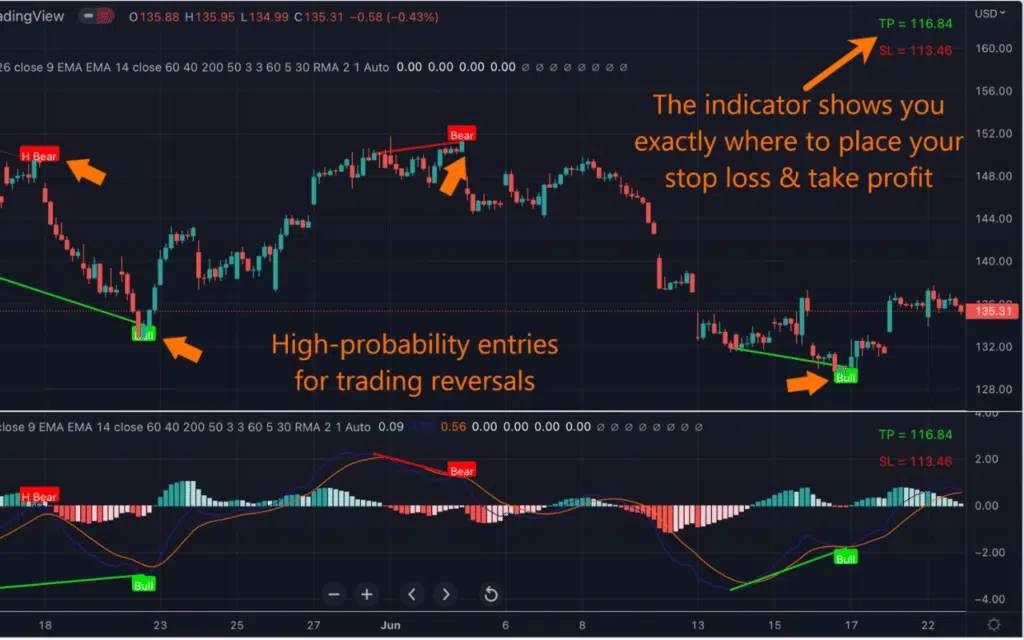
This indicator eliminates most false signals and shows you only the very best trade entries. In addition, it uses a triple confirmation algorithm to rank these trade setups by winning, probably to always ensure that the Reward:Risk ratio of every trade is 3:1.
Click here to see an example of the Divergence Solution in action (on the 5-minute timeframe).
5. Conclusion: Which One Should You Choose?
The choice between scalping vs day trading comes down to your personality and schedule. If you thrive on adrenaline and can stay glued to the screen for a few hours, scalping might be your edge.
If you prefer a more calculated, patient approach to the markets, day trading is likely a better fit.
If you’re looking for some knowledge-trading articles or an update on our newest indicators, you can find them here:
Feel free to leave a comment and share your thoughts with me. And don’t forget to share this blog with your friends on social media!